Service culture is a company’s shared habit of putting customers’ needs at the center of everyday decisions, from the front line to the executive team. You build it through hiring, clear values, coaching, and leaders who model the behavior.
In short
- Service culture means customer needs shape decisions at every level.
- It does not mean the customer is always right.
- Hiring, values, coaching and recognition keep it alive day to day.
- Reviewing real conversations shows whether the culture reaches customers.
What is service culture?
Service culture is an environment where exceptional customer service is part of the company’s values and operations, not a goal written on a slide. It means prioritizing the needs and experiences of customers at every level of the organization, from front-line agents to the C-suite.
A service culture puts the customer first. But it certainly does not mean the customer is always right, or that you should sacrifice the interests of your agents for those of an unreasonable customer. Done well, it is a systemized and planned obsession with giving customers a good experience.
Every interaction with a customer is an opportunity to deliver good service, show your service culture, and build a strong customer-brand relationship.
A strong service culture covers both what you sell and how it feels to buy it and get help with it. That includes the way agents greet and talk to customers, and the processes and systems you have for resolving issues and acting on feedback.
It also shapes how the company solves problems, builds products and makes decisions. It takes a long-term commitment, and it only works if employees are empowered to deliver the service the culture promises.
In the end, service culture is about creating loyal customers who come back and recommend you to others. That reputation is hard to build and easy to lose, which is why the culture has to hold up on ordinary days as well as during launches and crises.
What does service culture mean in practice?
In practice, service culture means an agent can fix a customer’s problem without asking three managers for permission, and the company learns from what went wrong. You can see it in how decisions get made when the customer’s interest and the convenient option point in different directions.
Here is how a strong and a weak service culture differ in day-to-day work:
| Area | Weak service culture | Strong service culture |
|---|---|---|
| Hiring | Hires for availability and typing speed | Hires for empathy and ownership, trains the rest |
| Decision rights | Agents escalate anything outside the script | Agents have clear authority to make things right |
| Metrics | Speed and volume only | Speed paired with quality and customer feedback |
| Feedback | Annual reviews, generic comments | Regular coaching based on real conversations |
| Recognition | Top handle-time numbers get praised | Great customer outcomes get praised |
| Leadership | Managers talk about customers in all-hands | Managers read tickets and join the queue |
| Customer feedback | Collected, filed, forgotten | Shared with product and acted on |
What are the benefits of a strong customer service culture?
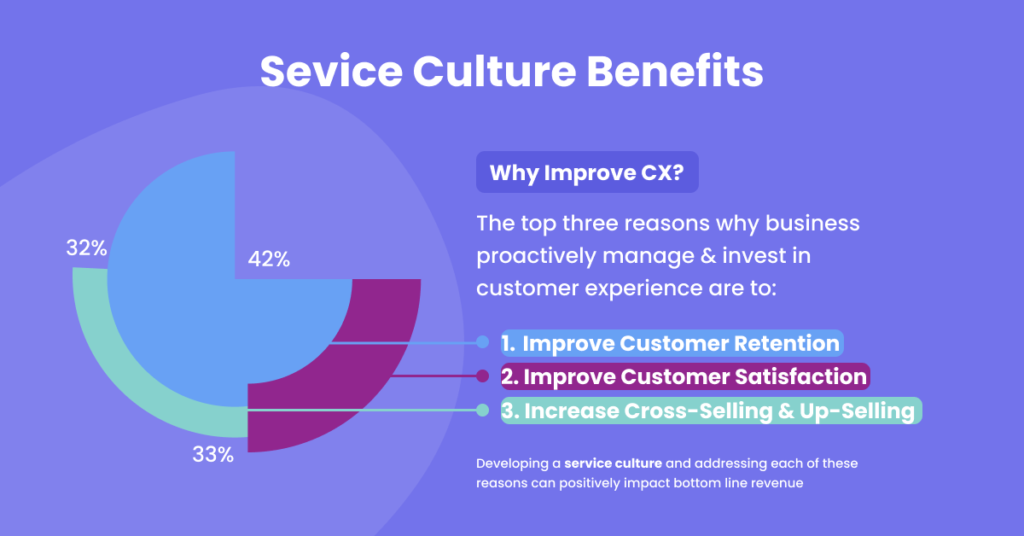
Retention, satisfaction, upselling. All three tend to follow a strong customer service culture and consistent customer experiences.
McKinsey’s work on the moment of truth in customer service makes the case well. It focuses on the few interactions, like a lost credit card or a canceled flight, where customers invest a lot of emotional energy in the outcome, and argues that handling them well needs an instinctive front-line response that puts the customer’s emotional needs first. That instinct is what a service culture builds.
A strong service culture also improves employee morale and agent motivation, which feeds efficiency and productivity.
Increased customer satisfaction
When customer service is a top priority, customers are more likely to feel valued and supported. Higher satisfaction leads to more loyalty and repeat business, and you can increase customer satisfaction further once the culture supports it.
Improved brand reputation
A company that consistently delivers good service builds a reputation that sets it apart from competitors. Positive reviews and word of mouth bring in new customers who arrive already trusting you.
Higher employee engagement
When employees are empowered to help customers and are recognized for it, they are more likely to be engaged. That means higher productivity, lower turnover and a better place to work.
Better problem resolution
A service culture comes with processes for handling issues and complaints. That means quicker, more satisfying resolutions, which improve customer retention and loyalty.
Increased revenue
Satisfied customers buy again and recommend you to others. Companies known for good service can also defend their prices better than competitors who compete on price alone.
There is a cost side too. Every ticket that has to be reopened, escalated or handled twice costs agent time. A culture that fixes problems properly the first time, and feeds recurring issues back to product, removes work from the queue instead of just processing it faster.
What is a customer service culture example?
One company often held up as a service culture example is Zappos. The online retailer is known for its customer service and has built a loyal following on it.
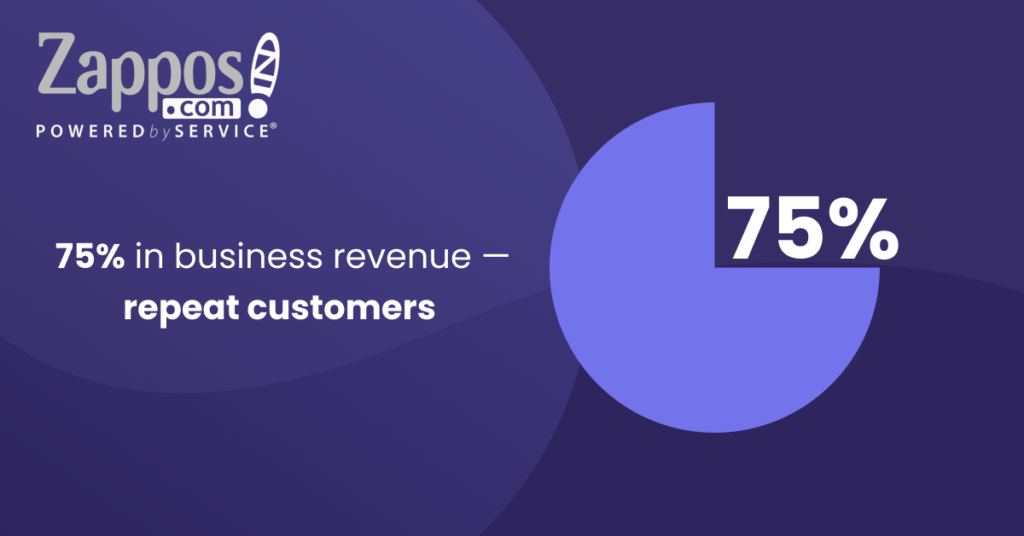
Zappos has been a case study for the customer service industry for years. The results come from a deliberate strategy and a willingness to put culture first.
Its core values show how far it took the idea:
- Deliver WOW through service.
- Embrace and drive change.
- Create fun and a little weirdness.
- Be adventurous, creative, and open-minded.
- Pursue growth and learning.
- Build open and honest relationships with communication.
- Build a positive team and family spirit.
- Do more with less.
- Be passionate and determined.
- Be humble.
Even giants like Amazon learned from Zappos. The lesson: how you define your service culture, and how you turn it into a strategy, shapes how customers experience your business.
What is the customer service culture of tomorrow?
The service culture of tomorrow is about delivering personalized experiences to customers.

Customers want quick answers and a service that remembers their past interactions. This is where data-driven customer service and a customer intelligence department come in.
Data-driven customer service means gathering and analyzing customer data to improve the customer experience. The data comes from surveys, social media, and above all your support conversations.
By analyzing CX data, businesses can understand what customers want and need, and use it to personalize their interactions.
The same data supports decisions about product development and marketing strategies, which helps the whole company build a service culture rather than only the support team. Amazon is the familiar example: it uses data from its website, app and devices to personalize shopping and recommend products.
As AI takes over simple requests, the conversations left for human agents get harder, and the culture behind those agents matters more. AI also makes it possible to analyze every conversation, which tells you whether the culture you describe is the one customers experience.
Building a service culture: 9 main steps

These are the building blocks of a service culture.
Hire the right people
Hiring people with the right mix of skills, empathy, and a desire to help others comes first.
You want to have the right people in place, people who care about service. They will deliver your service and build relationships with customers, and they will be interested in succeeding at it.
During hiring, evaluate candidates for attitude, values and fit as well as technical ability. A written role-play with a frustrated customer tells you more than a résumé. So does asking about a time they solved a problem that was not theirs to solve, and listening for whether they followed up afterwards. Then keep them motivated with rewards, a strong culture from day one, and a healthy place to work.
Establish strong company values
Teach employees your company’s values and how those values translate into helping customers. That way everyone is on the same page, knows the standards of conduct, and knows what you expect.
Your values should be a guiding principle, not words on a page. Communicate them to all employees, and build them into training, coaching, and recognition.
Agents need to understand why good service matters and feel motivated to go the extra mile, including proactive behavior. When everyone works towards the same goal, morale and productivity improve.
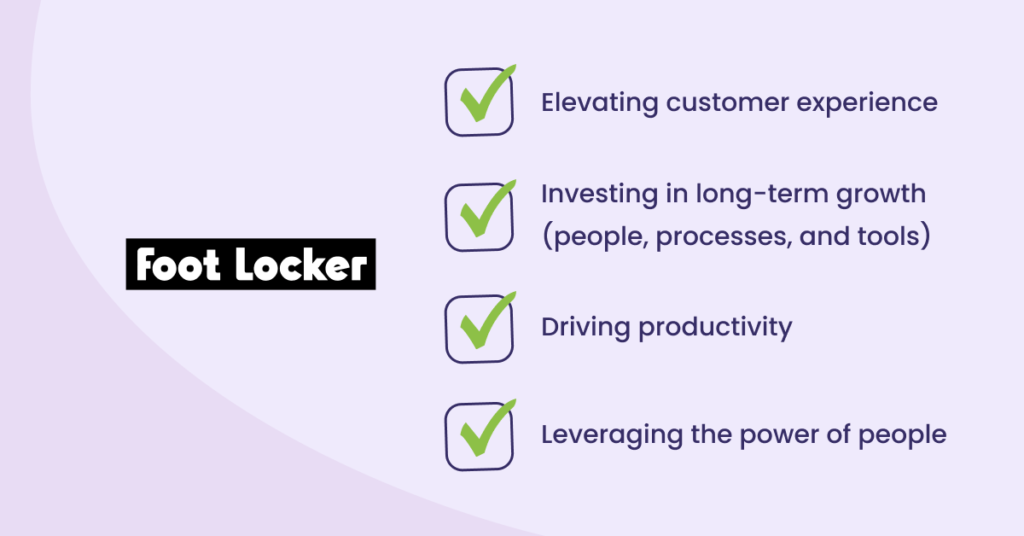
For example, Foot Locker, an international fashion retailer, has built its brand and success strategy on four core goals:
Read more: How Foot Locker Europe cut Resolution Time by 75% with Kaizo
Develop a customer experience vision
How can you provide something you do not understand?
Develop a clear vision for the customer experience you want to deliver. It should be a long-term goal that motivates the team, aligned with your values and backed by specific goals and metrics you can track.
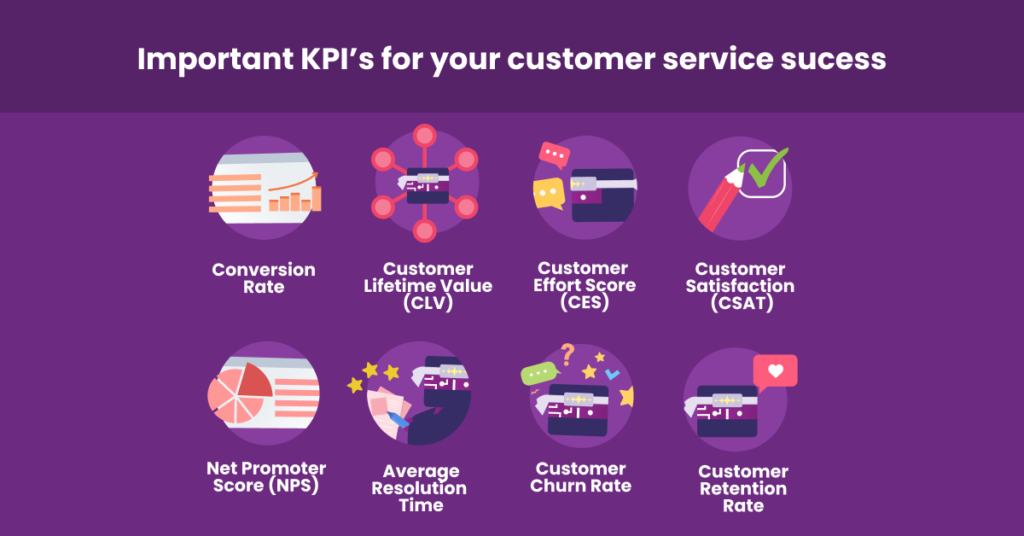
The vision sets the standard for how customers should be treated: tone of voice, refund policies, channels, response times. It also tells employees what you expect from them. Clear goals and KPIs make the vision measurable.
Here are some of the KPIs to keep an eye on:
Coach agents on new customer service technologies
More service now runs through automated channels like chatbots and self-service portals. Train your team to use these tools well, so simple requests get solved automatically while agents focus on complex cases.
Make sure agents know how to use the tools without losing the personal touch, and keep the training ongoing as the tools change. Good training and coaching helps agents resolve customer concerns efficiently at any hour.
Involve agents when you roll out a new tool. They know which questions a bot can answer and which ones will frustrate customers, and they are the ones who pick up the conversation when automation fails. A handover that forces the customer to repeat everything undoes the culture you are building.
Create a rewards system
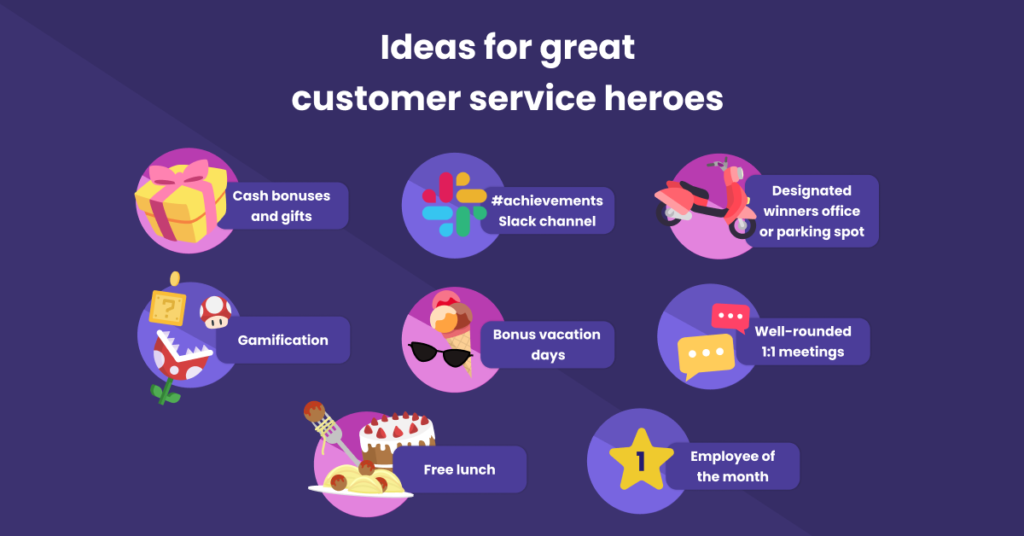
When employees go above and beyond for a customer, reward them. Recognition shows you value the behavior and tells everyone else what good looks like.
Bonuses, promotions, public recognition or small perks all work, as long as they align with your values and the system is transparent and fair. Rewarding good service helps motivate agents and sets the standard for the rest of the organization.
Here are some reward ideas you could easily implement.
Provide regular feedback
Regular communication keeps employees updated on changes, new policies and team goals. It also gives them a chance to suggest improvements to your product or service.
Feedback helps identify where agents need more training or guidance, and lets you track progress over time. It also tells agents their opinions matter, which reinforces the culture you are trying to build.
Foster a culture of continuous improvement
A service culture needs ongoing improvement. Encourage your team to look for ways to improve the customer experience, through tools, training or process changes. Collect feedback from customers and employees regularly and use it to decide what to fix next.
One practical habit: hold a short weekly review of a few conversations that went badly and a few that went well, with the agents involved. Ask what made the difference, and change the process or the help content when the answer points there. Give agents development opportunities and encourage them to own their learning. A supportive environment where people feel comfortable asking for help makes for a more engaged team, and a better customer experience.
Empower your employees
To deliver good service, employees need the tools, training and authority to act. That includes access to information, decision-making power, and a clear way to escalate when needed.
Empowered agents feel more invested in their work and more confident in their ability to help. That shows up as higher job satisfaction, lower turnover, and a stronger service culture.
Lead by example
A service culture starts at the top. Leaders need to model the behaviors and values they expect: prioritizing the customer experience, giving regular feedback and coaching, and keeping communication open so employees feel comfortable sharing ideas and concerns.
As a leader, your actions shape your team’s behavior more than any policy. Be approachable, communicative and supportive, and show a customer-centric approach in your own interactions. That is how you build a service culture that lasts.
Check your service culture in real conversations
Values and posters describe the culture you want. Support conversations show the one you have. Scoring every conversation against a scorecard that reflects your values, such as ownership, empathy and accuracy, shows whether agents live them on a busy Tuesday as well as in training. It also separates process problems from individual ones, so you fix a broken policy instead of blaming the agent who followed it. Kaizo’s quality assurance scores 100% of conversations against your own scorecard, which turns “we have a service culture” into something you can check.
Frequently asked questions
What is the meaning of service culture?
Service culture means an organization’s shared values, habits and processes put customers’ needs at the center of how work gets done. It shows in how employees treat customers, how much authority front-line staff have, and how the company responds to feedback.
What are the elements of a strong service culture?
The core elements are hiring for attitude, clear values, a defined customer experience vision, empowered employees, regular coaching and feedback, recognition for good service, and leaders who model the behavior. Each one reinforces the others.
What is an example of a service culture?
Zappos is the classic example. Its first core value is “Deliver WOW through service”, and it built its reputation on going out of its way for customers. Many companies have copied parts of its approach since.
What is the difference between service culture and customer service?
Customer service is the help a company gives customers when they need it. Service culture is the set of values and habits behind that help, across the whole company. A company can have a customer service team without a service culture, and customers usually notice the difference.
How do you measure service culture?
Combine customer-facing metrics like CSAT and first contact resolution with internal quality scores from reviewing real conversations, plus employee engagement and turnover. If customer scores rise while agents stay engaged, the culture is working.
Wrapping up
The customer service culture of the future is one of empowerment, not obligation.
It values service that customers actually experience as good, rather than the standard experiences companies are used to offering. It is a culture where agents are not afraid to offer their opinions and suggestions, whether about the product or about the way service is delivered.
Are you ready to build it?